



Missouri winters attack your car in ways you don't notice until they matter. At Quality Auto Repair & Auto Sales, we include an underbody inspection as part of our multi-point check at every service visit.
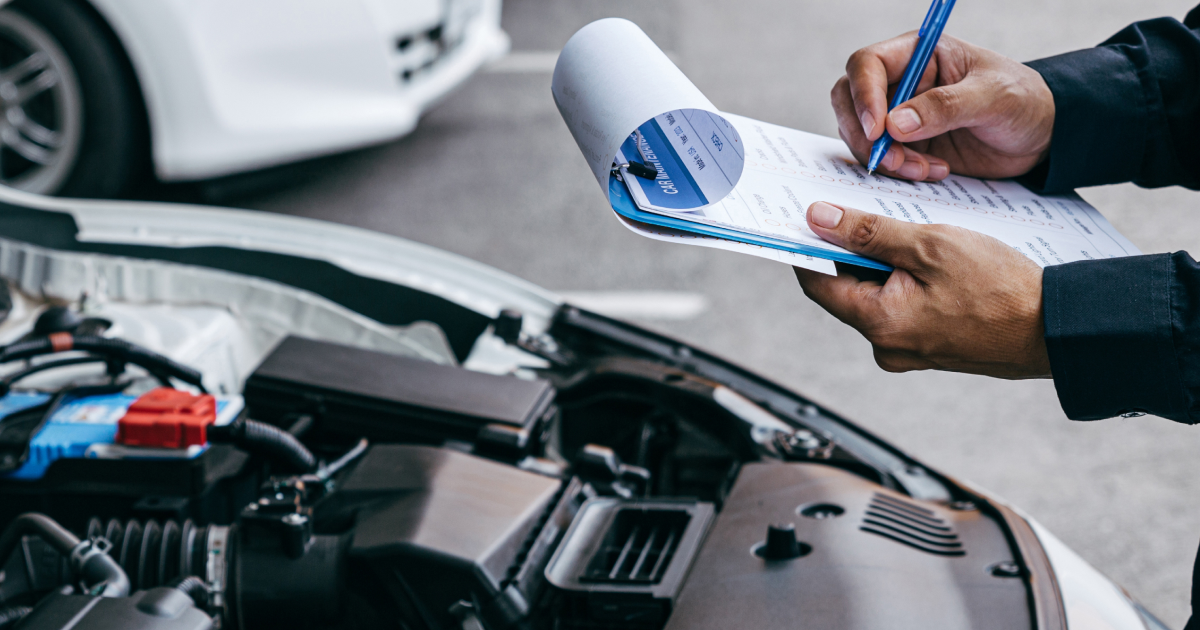
The $150 Service That Can Save You $5,000 You found a car. The price is right, the CarFax looks clean, the seller seems honest. You're ready to buy. There's one step with the highest return on investment of anything in this process, and most buyers skip it: a pre-purchase inspection (PPI) by an independent mechanic — not the dealer, not the seller, not a friend who knows a little about cars. What a PPI Actually Covers Full road test evaluating brakes, transmission shift quality, steering, noise and vibration Underbody inspection on a lift — frame condition, brake lines, fuel lines, suspension, exhaust, collision damage evidence Engine bay — fluid conditions, leaks, coolant condition, belt and hose condition Brake component measurement — pad depth and rotor thickness on all four corners Tire tread depth and wear pattern analysis OBD-II diagnostic scan including stored codes, cleared codes, and readiness monitor status Exterior inspection for repainted panels or bodywork suggesting accident history The OBD Readiness Monitor Check Every OBD-II vehicle has readiness monitors — self-tests the engine management system runs to verify emissions components are functioning. When a battery is disconnected or codes are cleared, these monitors reset to 'not ready.' Multiple incomplete monitors at purchase time suggests codes may have been recently cleared. A technician performing a PPI flags this immediately. What CarFax Misses Private-party accidents not reported to insurance — industry estimates suggest 20–35% of accidents are handled this way Deferred or missed maintenance Developing mechanical problems Code clearing before the sale Odometer or title manipulation in certain scenarios 'No reported accidents' and 'no accidents' are categorically different statements. A CarFax reflects what was reported and recorded — not the vehicle's actual condition. How to Arrange a PPI Choose an independent shop not affiliated with the dealer or seller Call ahead to confirm they perform PPIs and ask about timing and cost (most run $100–$175, 1–2 hours) Be present if possible — a good technician will walk you through the vehicle on the lift Get a written report, not just a verbal summary What to Do With the Findings A PPI on a vehicle over 80,000 miles rarely comes back completely clean. Use the findings as a negotiating tool — $1,200 in needed work is a legitimate basis for renegotiating price. A seller who refuses to allow a pre-purchase inspection should trigger immediate concern. There is no legitimate reason for an honest seller to resist an independent evaluation. Frequently Asked Questions Can I ask a dealer to let me take the car to an independent shop? Yes, and you should. Most reputable dealers will allow this. If a dealer flatly refuses, treat that as a red flag. Is a PPI worth it on a cheaper car? Especially on a cheaper car. A $5,000 vehicle with $3,000 in deferred problems is an $8,000 purchase. The $150 inspection fee is proportionally more valuable at lower price points. The Bottom Line A clean inspection builds confidence. A problematic inspection protects you from an expensive mistake. Either outcome is worth $150. Quality Auto Repair & Auto Sales performs pre-purchase inspections for vehicles bought through us and for vehicles you're considering elsewhere. Our job is to give you an honest picture of what you're buying.

The Repair That Never Seems to Stick You've been to three shops. You've replaced the battery. You've replaced the alternator. You've replaced a wheel speed sensor. You've replaced a body control module. The weird electrical symptoms keep coming back — different forms, same underlying chaos. Random warning lights. Gauges that read incorrectly. A radio that resets itself. Windows that work on some days and not others. A transmission that shifts erratically without any transmission codes. Features that work fine during the day and fail at night when the lights are on. If this sounds familiar, there's a good chance nobody has checked your grounds. What a Ground Actually Does Electricity flows in circuits — power goes out, does work, and returns through a ground path back to the battery's negative terminal. Every electrical component in your vehicle needs both a power supply and a return path to function. The return path is the ground. In a perfect world, every ground connection would be a low-resistance direct path back to the battery. In the real world, ground connections are: Metal-to-metal connections that corrode over time Bolted to vehicle body panels that rust Exposed to heat, vibration, and moisture Sometimes inadequately installed from the factory Shared among multiple circuits, meaning one bad ground can affect several systems When a ground connection develops resistance — through corrosion, loosening, or damage — current doesn't flow cleanly back to the battery. Instead, it finds alternative return paths through other circuits, other grounds, or other components. This is called a ground offset, and it creates electrical chaos. Why Ground Faults Are So Consistently Misdiagnosed The fundamental reason is measurement error. Most electrical diagnostics begin with a voltmeter checking whether power is present at a component. If 12 volts is at the component, the technician often concludes the component has power and moves on. But a component with 12 volts and a bad ground may have no functional voltage at all. Voltage is measured between two points — the power supply and the ground reference. If the ground reference itself has resistance, the voltage reading at the component is inaccurate. The component might have 12 volts on its power pin but 8 volts on its ground pin due to resistance in the ground circuit — giving it only 4 volts of actual working voltage. The Backprobe Technique Proper ground testing requires measuring voltage drop across the ground circuit under load — not measuring voltage at the component with the circuit open. A ground connection might measure 0 volts difference at rest and still have enough resistance to cause significant voltage drop when current is actually flowing through it. The correct test: put a known load on the circuit (turn on whatever component the ground serves), then measure the voltage between the ground pin at the component and the battery's negative terminal while the load is active. Any reading above 0.1 to 0.2 volts indicates a ground with excessive resistance. This is not how most quick diagnostics are performed. It requires knowing to test it, knowing how to test it correctly, and having access to wiring diagrams that show exactly where the ground connects. Common Ground Fault Symptoms by System Engine and Transmission Poor grounds to the engine block or transmission case can cause: erratic idle, false oxygen sensor readings, transmission shift quality issues, coolant temperature gauge inaccuracies, and random misfire codes that don't point to any specific cylinder or ignition component. Body Electrical Systems Body grounds — typically in the door pillars, under seats, or behind interior panels — serve windows, door locks, interior lights, and infotainment systems. When these corrode, you get intermittent operation of any or all of these systems, often correlated with wet weather (which increases corrosion and changes resistance values). ABS and Stability Control Wheel speed sensors have their own ground paths, and when these develop resistance, the ABS module receives corrupted sensor signals. This triggers ABS codes that seem to point to the sensor or the module — when the actual fault is a corroded ground bolt somewhere in the wheel well. Starting and Charging A bad battery-to-chassis ground or chassis-to-engine ground causes high resistance in the main current return path. The symptoms look exactly like a failing battery or alternator: slow cranking, voltage fluctuations, charging system warnings. Replacing the battery or alternator temporarily improves the situation because the new component can compensate for the resistance — until it degrades from the additional stress. Where to Find Ground Points Ground points are located throughout the vehicle, and their specific locations vary by make, model, and year. Common locations include: Battery negative terminal — the starting point of every ground path Engine block ground straps — typically one or more straps from the battery to the block Chassis-to-engine ground — connecting the body/frame to the engine Firewall grounds — serving dashboard and cabin electronics Door pillar grounds — serving door and window electronics Rear body grounds — serving tail lights, trunk electronics, rear sensors A vehicle wiring diagram shows every ground point and which circuits share each ground. Without this information, finding a bad ground is partly guesswork. With it, targeted testing is fast and accurate. How to Actually Fix a Ground Problem Finding the bad ground is most of the work. Fixing it is usually straightforward: Remove the ground bolt or strap connection Clean the contact surfaces with a wire brush down to bare metal Check the connector or ring terminal for corrosion — replace if necessary Apply dielectric grease to the contact surfaces before reassembly Torque the bolt to spec — both over and under-tightening cause problems Consider adding a supplemental ground strap if the original connection is in a corrosion-prone location After cleaning and reinstalling, retest with the voltage drop method to confirm the repair. A reading at or near 0 volts under load confirms a good ground connection. Frequently Asked Questions How common are ground faults actually? Very common, particularly in vehicles over five years old, vehicles from regions with harsh winters where road salt accelerates corrosion, and vehicles that have been in accidents where ground straps may have been damaged or not reinstalled correctly during repair. Can a ground fault damage other components? Yes. When a ground circuit has high resistance, the affected components operate with insufficient voltage, which can cause modules to work harder, generate heat, and degrade faster. A severe ground fault can also cause current to return through alternative paths that weren't designed for that load — potentially damaging wiring or other components in that alternative path. Would a scan tool show a ground fault as a code? Rarely directly. A scan tool will show codes generated by the symptoms of a ground fault — O2 sensor codes, wheel speed sensor codes, communication errors, voltage codes — but it won't typically flag the root cause as a ground problem. That connection requires a technician who knows to look for it. I had my car inspected and they said the electrical system is fine. Could I still have a ground fault? Absolutely. A basic electrical inspection that checks battery voltage, alternator output, and starting current often passes a vehicle with significant ground resistance. The test for ground fault is specific and requires targeted voltage drop measurements under load — it's not part of a standard inspection unless someone specifically suspects it. The Takeaway Ground faults are the electrical system's slow poison. They degrade gradually, affect multiple systems at once, and generate symptoms that look like a dozen different problems. They don't announce themselves. They don't always set codes. And they're frequently found only after a customer has replaced several parts that weren't actually at fault. If your car has ongoing electrical symptoms that haven't been resolved despite multiple repairs, ask specifically: has anyone tested the ground circuits with a voltage drop test under load? If the answer is no — or worse, if the shop doesn't know what you're asking — you haven't had a real electrical diagnostic yet. We do this right the first time. Ground testing is part of our electrical diagnostic process, not an afterthought.
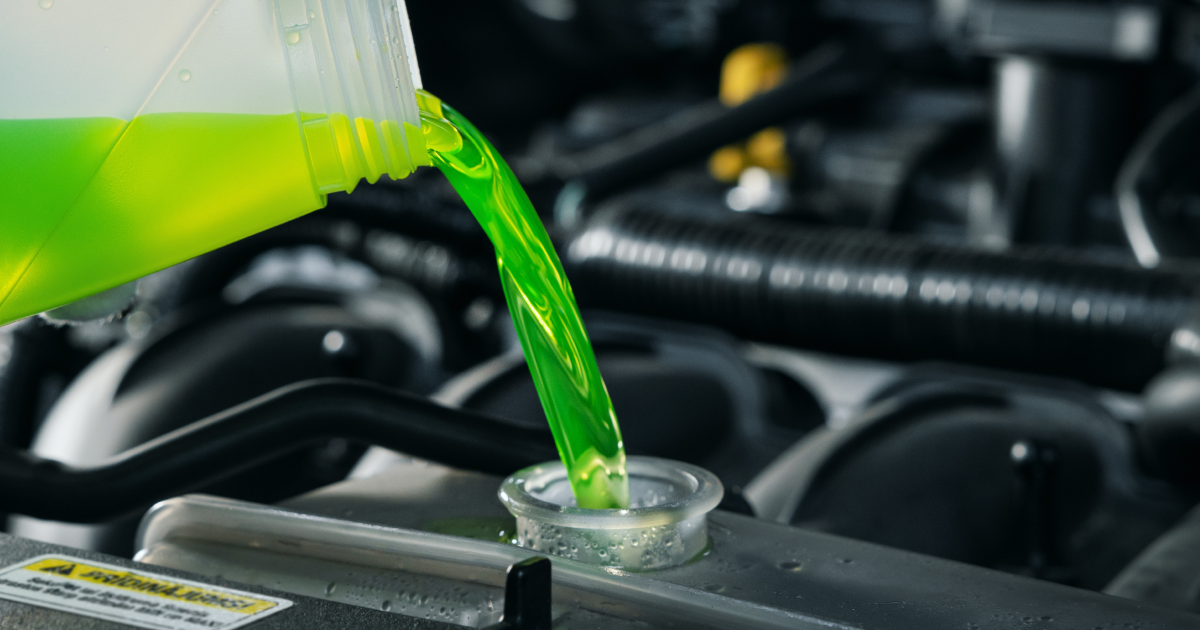
The Fluid You Only Think About When Something Goes Wrong Most car owners treat coolant as a reactive fluid — one you deal with when there's a leak or an overheating problem. This mental model costs money over time in premature water pump failures, corroded heater cores, degraded radiators, and thermostats slow-cooked into failure by acidic coolant. Coolant is not a set-and-forget fluid, and the reason requires understanding what it actually does. What Coolant Actually Does Ethylene glycol-based coolant handles four jobs simultaneously: temperature transfer, freeze protection, boil-over protection, and corrosion inhibition. The first three are relatively stable. The fourth — corrosion inhibition — degrades over time, and its degradation is the root cause of most coolant-related component failures customers attribute to 'bad luck' or 'the car just getting old.' The Chemistry of Degradation New coolant contains a package of corrosion inhibitors that coat metal surfaces and prevent the electrochemical reactions that cause corrosion. These inhibitors are consumed as they do their job. As they deplete, the coolant's pH — which should be mildly alkaline, around 8–10 — drifts toward neutral and eventually toward acidic. Acidic coolant slowly etches aluminum cylinder head surfaces, attacks the radiator core, degrades the heater core, and attacks rubber seals. None of this is immediately dramatic — it happens over tens of thousands of miles. The first signs are usually a water pump that fails early, or a heater core that starts weeping. How to Test Coolant Correctly Visual inspection of coolant color is not reliable. OAT coolant — the orange/red/yellow variety in most modern vehicles — stays visually clean long after its inhibitor package has depleted. The correct test is pH measurement using coolant test strips or a refractometer. A pH below 7.5 indicates inhibitor depletion. Below 7.0 indicates actively acidic coolant causing ongoing damage. This test takes about 30 seconds at any service visit. Why Coolant Types Can't Be Mixed IAT (green) — traditional, used in older vehicles, 2-year/30,000-mile service interval OAT (orange, red, or pink) — used in many GM, Chrysler, and European vehicles HOAT (yellow or gold) — used in many Ford, Chrysler, and Asian vehicles Mixing coolant types neutralizes the inhibitor packages and can accelerate the corrosion they're designed to prevent. Adding the wrong type to top off a low system is a common mistake with chemistry consequences that develop over months. When Coolant Should Actually Be Serviced Most modern OAT coolants: every 5 years or 100,000–150,000 miles. IAT in older vehicles: every 2 years or 30,000 miles. More importantly, pH testing should be part of every major service interval — if the pH is dropping, service before the manufacturer's interval. The chemistry tells you what the mileage can't. Frequently Asked Questions My coolant looks clean and the engine doesn't overheat. Does it still need service? Yes, potentially. An overheating problem means the system has already failed in some way. The goal of proper coolant maintenance is preventing the component failures that lead to overheating in the first place. Does coolant affect heater performance? Significantly. Degraded coolant deposits scale and corrosion in the heater core's small passages, reducing flow and therefore heat output. A heater that's progressively gotten less effective over several winters may be showing the downstream effect of neglected coolant service. The Bottom Line Coolant is a consumable with a chemistry shelf life. Managing it proactively — testing pH at service intervals, replacing on schedule with the correct type — protects the water pump, radiator, and heater core from premature failure. We test coolant pH as part of our multi-point inspection. If yours is getting acidic, we'll tell you before it becomes a component failure.
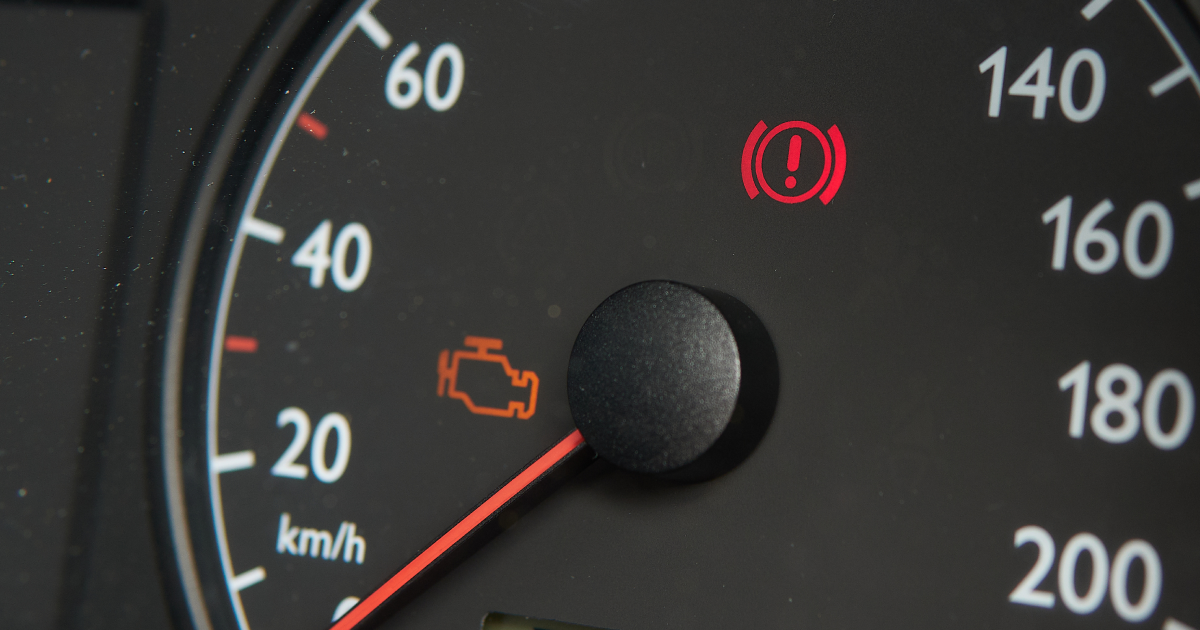
Your Car Is Losing Money at Every Fill-Up Your check engine light is off. Your car starts fine, drives fine, passes inspection. But fuel economy has quietly dropped 15–20% from what it used to be. In many cases, the real culprit is a sensor that is working — technically — but has degraded enough to feed the engine control module inaccurate information. The ECM compensates as best it can, but an engine running slightly off its optimal air-fuel ratio costs real money at every fill-up. The Sensors Most Often Responsible Mass Airflow Sensor (MAF) The MAF measures the volume and density of air entering the engine. A clean MAF is foundational to fuel economy. As a film of oil vapor and contaminants builds on the sensing element, readings become slightly low — the ECM injects less fuel, oxygen sensors compensate, but never as efficiently as accurate MAF data allows. A contaminated MAF often doesn't set a code; its readings are just consistently 5–10% off. MAF sensors can often be cleaned with a $10 can of MAF cleaner rather than replaced. Oxygen Sensors (O2 Sensors) O2 sensors degrade over time, developing a slow, sluggish response pattern instead of rapidly toggling between rich and lean. The ECM can't correct fuel delivery as precisely, and efficiency drops. Most manufacturers recommend O2 sensor replacement every 60,000–100,000 miles regardless of codes because of this gradual degradation pattern. Coolant Temperature Sensor (CTS) A CTS that reads 10–15 degrees low — staying within an acceptable range without setting a code — tells the ECM the engine is cooler than it actually is. The ECM runs a richer cold-start mixture continuously. The result is measurably worse fuel economy and increased carbon buildup, with no warning light to prompt action. How to Diagnose Degraded Sensors The key tool isn't the code reader — it's the live data stream. A technician watching real-time sensor behavior can identify degradation that falls within an 'acceptable' range on a code scan. Key indicators: MAF output in grams per second vs. expected values at various RPMs O2 sensor switching frequency — how many times per second it crosses the rich/lean threshold Short-term and long-term fuel trim values — readings above +5% or below -5% indicate compensation CTS reading compared to actual coolant temperature with an infrared thermometer What This Costs in Real Numbers A vehicle rated 28 mpg that drops to 24 mpg uses roughly 89 additional gallons per year. At $3.50/gallon, that's over $310 annually. A MAF cleaning costs $15–$20 in labor. An O2 sensor replacement runs $80–$150. The math on addressing degraded sensors is almost always favorable. Frequently Asked Questions If fuel economy is down, is it always a sensor problem? Not always. Underinflated tires, dragging brake calipers, a clogged air filter, and dirty injectors are other common causes. Sensors are one significant cause — a proper diagnosis rules out the others. My car passed emissions. Does that mean my sensors are fine? Emissions tests check whether emissions are within legal limits — not whether sensors are operating at optimal efficiency. A vehicle can pass emissions with sensors that are meaningfully underperforming. The Takeaway Sensors are wear items, just like brake pads. They degrade gradually and silently, and the primary symptom is fuel economy loss rather than a warning light. If your mileage isn't what it used to be, have sensor performance evaluated — not just scanned for codes. At Quality Auto Repair & Auto Sales, fuel economy analysis is part of how we think about vehicle health.
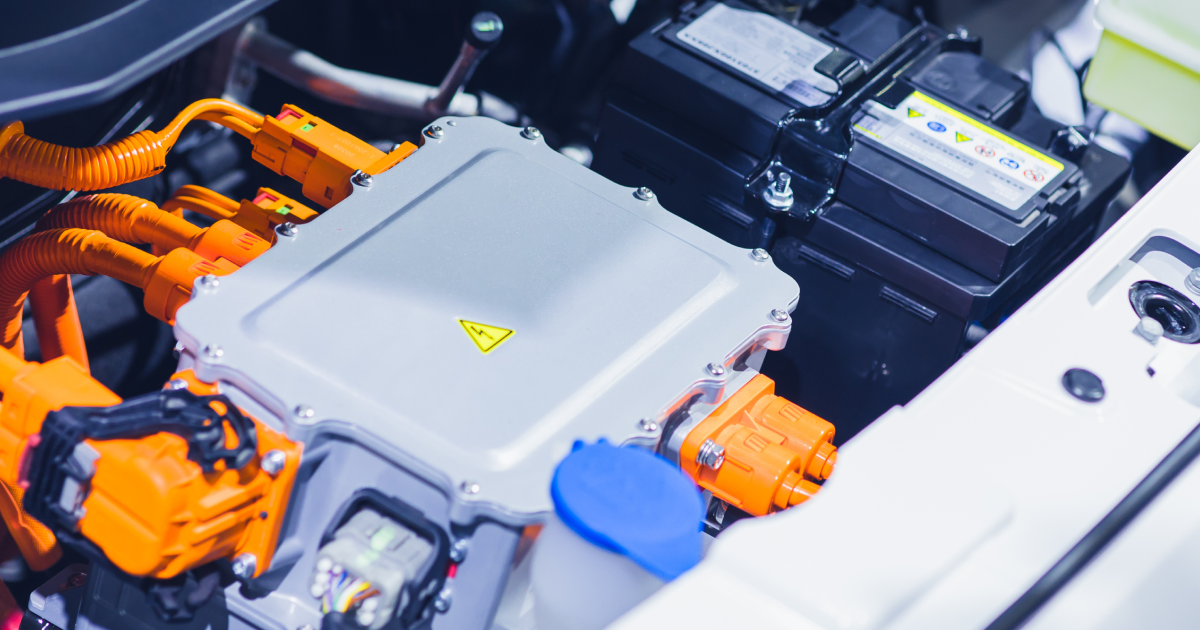
The Promise of Electric Vehicles — and the Catch Nobody Mentions Electric vehicles are sold as the future of transportation. Fewer moving parts. Lower maintenance costs. Better for the environment. All of that may be true. But there's a clause in the fine print that nobody in the showroom brings up: when your EV breaks down outside of warranty, you may have almost no choice about where to get it fixed — or how much you'll pay. The reason is simple and deliberate: EV manufacturers, Tesla most prominently but far from exclusively, have built proprietary diagnostic and repair ecosystems so locked down that independent shops are effectively excluded. And the consequences for consumers are starting to become very real. How ICE Vehicle Repair Access Works — and Why EVs Are Different For internal combustion engine vehicles, a combination of federal mandate and industry standardization has created a relatively open ecosystem. The OBD-II standard means any shop can read basic fault codes. Advanced OEM access is subscription-based but available. Right-to-repair legislation in states like Massachusetts has pushed this further. EVs don't fit neatly into this ecosystem. The OBD-II port exists on most EVs as a hardware interface, but many EV manufacturers have implemented proprietary communication protocols over it that generic scan tools can't interpret. The critical diagnostic data — battery management system status, individual cell voltages, thermal management errors, motor controller faults — is locked behind manufacturer-specific software that isn't available to independent shops at any price. The Tesla Model Tesla's approach is the most discussed, partly because Tesla has the most EVs on the road and partly because it has been the most aggressive about controlling its own service network. Tesla uses a proprietary diagnostic platform called Toolbox that is not available to independent shops. The company has historically argued that its vehicles are too complex and too software-integrated to be safely serviced by anyone outside its own service network. Critics argue the real motivation is revenue: Tesla's service centers are a significant and growing profit center. What this means practically: a Tesla with a battery management system fault, a Motor Control Unit failure, or a software issue that won't resolve itself may be legally repairable only by Tesla — even if the vehicle is five years out of warranty. Rivian, Lucid, and the Newer Players Tesla's model has influenced every EV startup that followed. Rivian, Lucid, and others have built similarly closed service ecosystems. The difference is scale — there are far fewer Rivians and Lucids on the road, so the problem is less visible. But as these vehicles age out of warranty, the issue will intensify. The practical problem is geographic as much as anything. Tesla has service centers in major metropolitan areas. In rural regions and smaller cities, the nearest Tesla service center may be hundreds of miles away. For an EV that can't be driven because of a software fault, that means a flatbed tow for hundreds of miles — at the owner's expense. What Happens to Out-of-Warranty EV Owners Right Now This is not a theoretical future problem. It is happening today. EV owners outside warranty report waits of weeks or months for service appointments at manufacturer service centers. Remote diagnostics — where Tesla or another manufacturer pushes a software fix over the air — work for some issues but not hardware faults. And when the repair requires physical access to the vehicle's proprietary systems, independent shops can only do so much. A Real-World Scenario An EV owner gets a battery fault warning that limits the vehicle to a reduced power mode. The vehicle is four years old and out of the manufacturer's powertrain warranty. The nearest manufacturer service center is 200 miles away with a three-week appointment backlog. An independent shop can read some basic codes but cannot access the battery management diagnostic data needed to determine whether this is a software calibration issue, a bad cell module, or a full pack replacement situation. The owner is effectively stuck. This scenario is common enough that online EV communities are full of it. What the Independent Repair Industry Is Doing to Fight Back The independent repair industry is not accepting this quietly. Right to Repair Efforts The Alliance for Automotive Innovation and major independent repair trade groups have been in ongoing conflict over EV access. Massachusetts's right-to-repair law, which voters expanded in 2020, specifically addresses telematics data access. The automotive industry has resisted implementation, and the legal battle continues. At the federal level, the FTC has indicated that exclusive repair arrangements may violate antitrust principles, though enforcement has been inconsistent. Aftermarket Tool Development Companies like Autel, Snap-on, and several EV-focused startups are developing tools that can access more EV systems than generic scanners. The progress is real but uneven — Tesla in particular has been aggressive about changing communication protocols in ways that break third-party tools. Independent Specialists A cottage industry of EV specialists — shops that focus exclusively on specific makes and have reverse-engineered access to diagnostic systems or developed relationships with parts suppliers who have better access than the public — is emerging. This is not a scalable solution, but it is the current reality for many out-of-warranty EV owners. What Consumers Should Demand If you own or are considering an EV, these are the questions worth asking: What is the manufacturer's policy on independent repair access? Can independent shops access diagnostic data for my vehicle? What happens to service access when the warranty expires? How far is the nearest manufacturer service center, and what are typical wait times? Does the manufacturer offer any remote diagnostic capability, and what does that cost? The answers will vary by manufacturer and will tell you a lot about your long-term cost of ownership. Frequently Asked Questions Can independent shops do any EV work at all? Yes — substantial work. Brake systems, suspension, tires, HVAC, many electrical accessories, and some powertrain components can be addressed by well-equipped independent shops. The gap is in deep powertrain and battery management diagnostics, which are the most proprietary systems. Is this different from how luxury ICE brands like BMW or Mercedes handle diagnostics? Somewhat. BMW and Mercedes also have proprietary diagnostic tools with dealer-centric access, but independent subscription access exists and aftermarket tools like ISTA and Xentry can be obtained. EV manufacturers have been more aggressive about preventing any third-party access to their battery management systems specifically. Will this get better or worse over time? The political and legal pressure is pushing toward more access, but manufacturers are simultaneously lobbying hard against it. The near-term trajectory is uncertain. Consumers who support right-to-repair legislation are directly supporting their own future repair options. What about used EVs? Is repair access a bigger concern? Significantly bigger. A used EV is likely out of warranty. The manufacturer has less incentive to provide easy service access. Parts availability for aging EV platforms is an emerging concern — particularly for brands that may not survive long-term. Battery pack availability for early-generation EVs is already becoming difficult. The Bigger Picture The EV diagnostic access problem is, at its core, a consumer rights problem dressed up in technology language. The argument that proprietary repair restrictions protect safety is largely pretextual — the same safety arguments were made about ICE vehicles, and the right-to-repair ecosystem for those vehicles has not produced a safety crisis. What proprietary EV diagnostics do produce is captive customers, reduced competition in repair markets, and higher long-term costs of ownership than the sticker price reflects. These are costs worth factoring in when you're deciding what to buy. Independent shops like ours are investing in EV capability because we believe our customers deserve a choice. We're not there yet for every EV system, and we'll always be transparent about what we can and can't do. But we're fighting for the right to be an option — because you should have one.

At Quality Auto Repair & Auto Sales, we offer in-house ADAS calibration. When a repair requires it, we do it — and we document it.

At Quality Auto Repair & Auto Sales, we check fluid condition before recommending any transmission service. We'll tell you what your vehicle actually needs.

Used Car Advice From People Who Fix Them Most used car guides are written by journalists who've test-driven press fleet vehicles or aggregators pulling spec sheets. What follows is different: experience-based guidance from the repair shop perspective on which vehicles in the under-$15,000 market hold up and which generate expensive surprises. These are patterns from what we see at the shop consistently. Individual vehicle history always matters more than general model data — but when you're choosing between models, this is the kind of perspective that's hard to find elsewhere. 5 Vehicles Worth Serious Consideration 1. Toyota Camry (2012–2018) Not exciting. Reliable in a way that borders on boring — which is exactly what you want in a used car. The 2.5L four-cylinder in this generation is among the most proven engines in the segment: timing chain (not belt), sensible oil consumption, and a track record of reaching 200,000 miles on regular maintenance. Watch for: evidence of oil consumption on high-mileage examples of the earlier 2.5L. Street price: $9,000–$14,000 for clean examples under 100,000 miles. 2. Honda CR-V (2015–2019) Strong resale value means they're not cheap in this range, but higher-mileage examples offer significant remaining life. The 2.4L naturally aspirated engine in 2015–2016 is particularly solid. The 1.5T turbocharged engine from 2017 onward is also good, but has a documented oil dilution issue in cold-climate short-trip driving patterns worth monitoring. Watch for: oil level and condition on 1.5T, CVT fluid condition, rear wheel well rust on older examples. 3. Mazda3 (2014–2019) Consistently undervalued in the used market relative to Toyota and Honda because of lower brand recognition. Mechanically refined, engaging to drive, and less prone to expensive infotainment complexity than some competitors. The SKYACTIV engines are strong but prefer the correct oil specification and regular changes. Check for evidence of deferred maintenance more than specific component concerns. 4. Ford F-150 (2011–2014, V8 models) The pre-EcoBoost V8 F-150 represents significant value for buyers who need truck capability. The 5.0L Coyote V8 and 6.2L V8 in these years are conventional, robust engines with good parts availability. Avoiding the EcoBoost in this price range isn't a condemnation of the engine — it's an acknowledgment that turbocharged engines with more complexity require diligent maintenance, and deferred maintenance on used turbocharged trucks is common. Watch for: frame rust in northern states, evidence of work use. 5. Subaru Outback (2013–2017, 2.5i non-turbo) Specifically the naturally aspirated 2.5L, not the 3.6R or XT. Genuine AWD capability, good visibility, versatile cargo space, and reasonable reliability when maintained. The significant caveat: the EJ25 engine is sensitive to maintenance neglect, particularly head gasket condition on higher-mileage examples. A pre-purchase inspection by a Subaru-familiar shop is especially valuable here. Watch for: coolant pH, head gasket weep evidence, oil consumption. 3 Vehicles to Approach With Caution 1. Chrysler/Dodge/Jeep with the 3.6L Pentastar V6 over 100,000 miles The Pentastar is a capable engine, but its upper timing chain tensioner has a documented failure pattern that becomes more prevalent at higher mileage without diligent oil change history. On a vehicle where you can't verify maintenance history and mileage is above 90,000, factor this in. Know the specific risk, verify oil change history, and listen for cold-start rattles before buying. 2. Any German luxury vehicle under $12,000 A $10,000 BMW or Mercedes is not a bargain. It's a high-maintenance, parts-expensive vehicle at a price point where the previous owner's willingness to spend on maintenance has almost certainly declined with the value. Timing chain issues, air suspension components, electronic module failures, and specialty parts costs make German luxury vehicles extremely expensive as they age. The purchase price is not the cost of ownership. 3. High-mileage turbocharged vehicles with unknown service history Turbochargers depend on oil for cooling and lubrication and run at extreme temperatures and RPMs. A turbocharged engine with no verifiable oil change history has likely experienced turbocharger and engine wear that won't show up on a history report. A turbocharged vehicle with documented maintenance history can be an excellent purchase. A turbocharged vehicle where the seller says 'I think the oil was changed' is a meaningful risk. Frequently Asked Questions Is 100,000 miles too many miles on a used car? Not categorically. A 100,000-mile Camry with full service history is a better purchase than a 60,000-mile version with unknown history. Mileage is a factor, not the factor. What's the smartest thing I can do before buying any used vehicle? Get a pre-purchase inspection from an independent shop before signing anything. This one step prevents more bad used car purchases than any other advice combined. The Bottom Line The models above offer good starting points, but the condition of the individual vehicle always matters more than the general reputation of the model. Come talk to us before you buy. We've seen most of what's out there, and we'll tell you what we actually think.
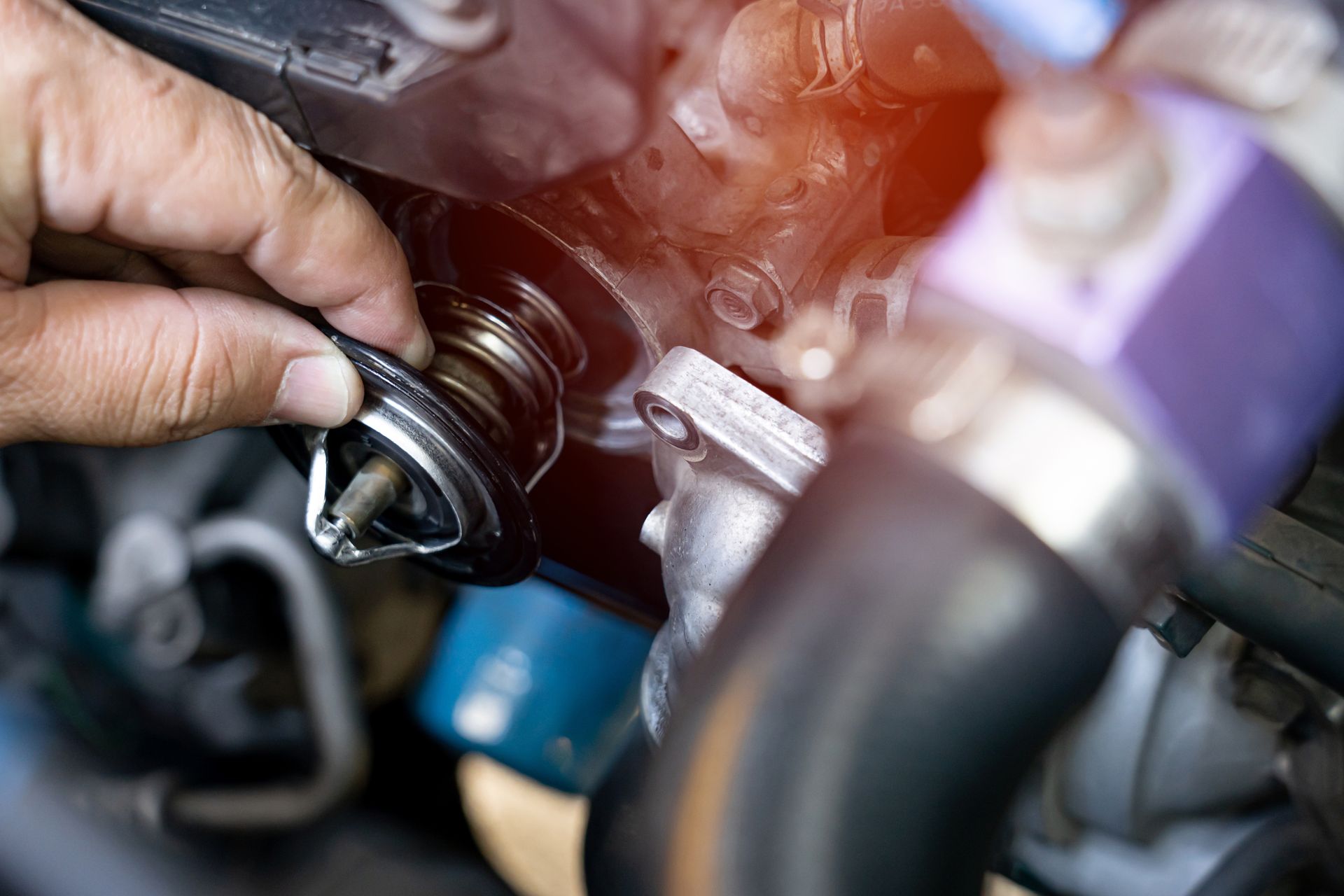
A car’s thermostat is a small part that does a big job: it controls the flow of coolant and ensures your engine stays at the correct operating temperature. When it begins to fail, your engine loses its ability to regulate heat—leading to performance problems, overheating, and potentially serious engine damage. Knowing the early signs of thermostat trouble can save you money, prevent breakdowns, and keep your vehicle running smoothly. At Quality Auto Sales & Repair here in Maryland Heights, MO , we see thermostat-related issues all the time, and catching the warning signs early always makes a huge difference. Engine Overheating One of the most obvious signs of a failing thermostat is sudden overheating. If the thermostat gets stuck closed , coolant can’t circulate through the engine, causing temperatures to rise quickly. If your temperature gauge climbs toward the red zone, it’s important to pull over, let the engine cool, and have your cooling system inspected right away. Continuing to drive an overheating vehicle can lead to major engine damage. Cold Air Coming From the Heater On the other hand, a thermostat stuck open can cause your engine to run cooler than it should. When this happens, you might notice that your cabin heater blows cold air even though the engine is warm. While this issue may not cause immediate engine damage, it affects fuel economy and can shorten the life of your engine over time. Fluctuating Temperature Gauge Your temperature gauge should stay relatively steady once your engine warms up. If you notice rapid or repeated temperature swings—hot, cold, normal, then hot again—your thermostat may be sticking. This inconsistency is an early warning that the part is failing and needs professional attention. Coolant Leaks A malfunctioning thermostat can cause pressure to build up inside the cooling system. This pressure often leads to coolant leaks near hoses, gaskets, or around the thermostat housing itself. If you smell coolant, see puddles under your car, or notice white steam from under the hood, your thermostat or cooling system needs to be inspected immediately. Reduced Engine Performance A failing thermostat can cause your engine to run too cold or too hot, and both conditions affect performance. Common symptoms include: Sluggish acceleration Rough idling Increased fuel consumption Poor overall engine response Temperature regulation affects every part of your engine’s operation, so changes in performance should never be ignored. Is It Safe to Keep Driving? Generally, no . A faulty thermostat may seem like a small issue, but ignoring it can lead to: Blown head gaskets Overheating Cracked engine block Extremely expensive repairs Addressing the problem early is always the best way to protect your vehicle and your wallet. Need a Thermostat Check? Visit Quality Auto Sales & Repair. If you’re noticing any of these warning signs, our team at Quality Auto Sales & Repair in Maryland Heights, MO is ready to help. We offer: Cooling system diagnostics Thermostat replacement Radiator, heater, and water pump repairs Full engine inspections Honest pricing and clear explanations We’re located at: 11457 Schenk Dr, Maryland Heights, MO 63043 Whether your car is overheating or showing small early symptoms, now is the perfect time to get it checked.